

Blog · October 13, 2026
Best Appliance Recycling Options in Charlotte
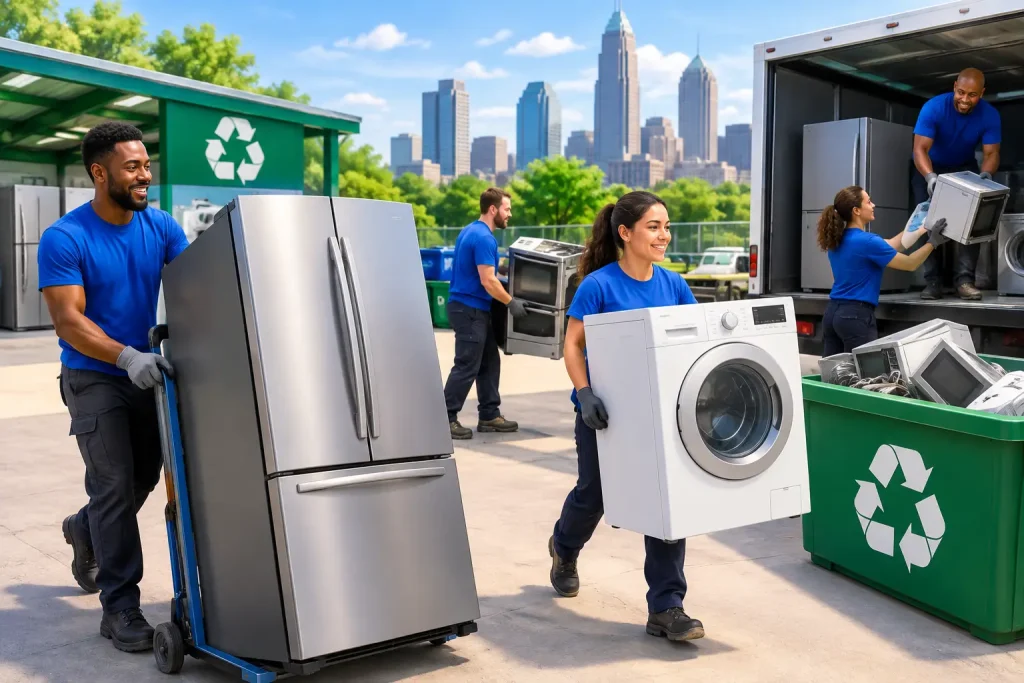
That dead fridge in the garage is not just taking up space. It is holding refrigerant, metal, wiring, and enough awkward bulk to turn a simple cleanup into a Saturday-long wrestling match. The best appliance recycling options get the unit out safely, keep reusable materials in circulation, and spare you the headache of figuring out where a 250-pound washer is supposed to go.
For Charlotte-area homeowners, renters, landlords, and property managers, the right choice depends on the appliance, its condition, and how quickly you need it gone. Some routes cost less but require hauling it yourself. Others cost more but save your back, your truck bed, and your afternoon.
Best Appliance Recycling Options for Old Units
Appliance retailer haul-away
Buying a replacement refrigerator, range, washer, dryer, or dishwasher? Retailer haul-away is often the cleanest move. Many appliance sellers will remove your old unit when they deliver the new one, usually for an added fee and sometimes as part of a promotion.
This option works best when the old and new appliances are being swapped on the same day. There is no need to drag the old machine to the curb, borrow a trailer, or keep it sitting around until you find a recycling center. The trade-off is timing. If your old appliance has been sitting in a basement for months, retailer haul-away may not help unless you are making a new purchase.
Before checkout, ask whether the retailer accepts your exact item and whether it must be disconnected first. Refrigerators and freezers are commonly accepted, but built-in appliances, units with severe damage, or machines in difficult-access spaces may come with restrictions.
Local junk removal pickup
If you need an appliance gone without buying a replacement, a professional pickup is usually the fastest, least stressful route. A local hauling crew can remove heavy appliances from garages, kitchens, laundry rooms, porches, rental units, and commercial spaces, then route them for recycling or responsible disposal.
This makes sense for more than one item. Maybe the old dryer is joined by a broken microwave, a mattress, cardboard boxes, and the random garage junk that has been judging you since 2019. One pickup can clear the pile instead of creating five different disposal errands.
Junk Punk provides appliance removal across the Charlotte area with volume-based pricing and quick scheduling when availability allows. The crew does the lifting, loading, and hauling, which is especially useful for second-floor laundry rooms, tight staircases, and properties where a lonely appliance has somehow become a full cleanout.
The cost can be higher than dropping an item off yourself, but you are paying for labor, transportation, and convenience. For landlords turning over a unit, busy families, or anyone without a pickup truck, that math often works out just fine.
Municipal or county recycling programs
City and county programs can be a budget-friendly answer, especially if you can transport the appliance yourself. Some areas offer bulky-item collection days, recycling drop-off locations, or special programs for scrap metal and white goods such as washers, dryers, stoves, and water heaters.
The catch is that rules vary. One facility may take a stove for free but charge for a refrigerator. Another may require proof of residency, an appointment, or removal of doors before drop-off. Hours may also be limited, which is not ideal when you are trying to finish a move-out by Friday afternoon.
Call ahead before loading up. Ask whether the site accepts your appliance, whether fees apply, and whether refrigerant-containing appliances need special preparation. A five-minute check can prevent a truck-bed road trip that ends with the item coming right back home.
Utility company refrigerator programs
An old refrigerator or freezer can be an energy hog with a cord. In some areas, electric utility companies offer pickup or rebate programs for qualifying working refrigerators and freezers. The utility collects the unit, handles recycling, and may offer a small incentive because removing inefficient appliances can reduce energy demand.
This route is worth checking if your appliance still runs, even if it is ugly enough to scare the neighbors. Programs typically have eligibility rules related to size, age, condition, and accessibility. They may not accept nonworking units, compact refrigerators, or appliances with missing components.
If you qualify, this can be one of the best appliance recycling options because it combines pickup with a financial perk. If the unit is dead, leaking, or partially dismantled, move to a recycling center or junk removal option instead.
Scrap metal recycling yards
Washers, dryers, ranges, water heaters, and some dishwashers contain valuable metal that scrap yards can recycle. This is a solid DIY option when you have a truck, a way to load safely, and an appliance that does not contain refrigerant.
Do not assume every appliance belongs at a scrap yard. Refrigerators, freezers, air conditioners, and dehumidifiers need proper refrigerant recovery before they can be processed. Cutting refrigerant lines or trying to take apart a cooling appliance yourself is a bad plan. It can release harmful chemicals and may violate disposal rules.
Scrap yards also set their own acceptance policies. Some pay by weight, some charge for certain items, and some require identification. Call before you go, especially if you have a mixed load of appliances and other metal.
Donation or resale for working appliances
Recycling is not always the first best answer. If an appliance is clean, safe, and fully functional, donating or selling it can extend its useful life. Local charities, reuse organizations, used-appliance dealers, and community buyers may accept working refrigerators, washers, dryers, stoves, and small appliances.
Be honest about condition. A dryer that needs a $20 belt is different from a refrigerator that will not stay cold. Do not donate a problem unit just to make it somebody else’s problem. If it needs major repair, has mold, pests, leaks, electrical damage, or missing parts, recycling is usually the more responsible call.
What to Do Before Your Appliance Is Picked Up
A little prep makes appliance removal safer and faster. Unplug the item, empty it completely, and wipe out food residue, detergent, or standing water. For refrigerators and freezers, defrost them ahead of time and leave the doors secured or removed if the unit will sit outside.
Disconnect water lines from dishwashers, ice makers, and washing machines if your removal provider does not offer that service. Shut off the water first and have towels ready. A hidden puddle behind a washer is a lousy surprise during an otherwise productive cleanup.
For gas appliances, have a qualified professional disconnect the gas line. Do not treat a gas range or dryer like a plug-and-play project. Safe removal starts before the hauling crew arrives.
Choosing the Right Option for Your Situation
If you are replacing one appliance and have a delivery scheduled, retailer haul-away is hard to beat. If you have a working, qualifying refrigerator or freezer, check utility pickup programs before paying for removal. If you own a truck and the item is mainly metal, a county facility or scrap yard may be the lowest-cost choice.
But when the appliance is heavy, access is difficult, timing is tight, or the junk pile has grown beyond one machine, professional hauling earns its keep. You should not have to recruit three friends, rent a trailer, and spend your weekend wondering whether the recycling facility is open.
The goal is simple: keep bulky appliances out of illegal dumping spots and landfills when a better path exists. Pick the option that fits your budget and schedule, then get that clunker out of your way. Your garage has better things to do than serve as a retirement home for broken appliances.