

Blog · September 1, 2026
Best Items for Donation Pickup That Charities Want
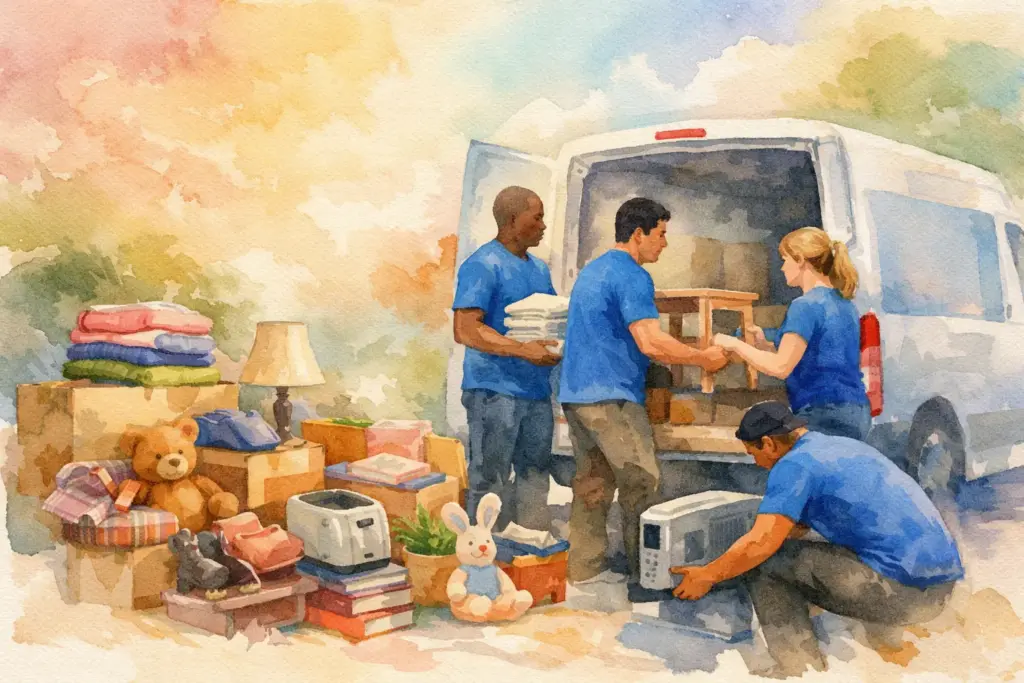
A garage cleanout can turn into a pile of perfectly decent stuff fast. The trick is knowing the best items for donation pickup before you schedule a truck, drag everything to the curb, or pay to haul away something a local charity could actually use. Donation works best when an item is clean, safe, complete, and ready for its next home – not when it is on its last leg with a wobbly wheel.
For Charlotte-area homeowners, renters, landlords, and property managers, a little sorting can keep usable goods in circulation and make the rest of the cleanout much easier. Don’t Be A Punk, Recycle Your Junk – but be honest about what still has life left in it.
What Makes an Item Worth Donating?
Charities and thrift organizations are not dumping grounds. They need items that can be used right away, sold to support their mission, or passed along without spending more on repairs, cleaning, or disposal than the item is worth.
A quick rule of thumb: if you would feel good handing it to a friend, it may be donation-worthy. If you would apologize before handing it over, it probably belongs in recycling, proper disposal, or a junk removal load.
Condition matters more than age. A solid wood dresser from the 1980s may be a great donation item if every drawer works and the finish is reasonably clean. A newer particleboard dresser with broken rails, swollen panels, or missing hardware is usually not.
Best Items for Donation Pickup at Home
The most useful donations are everyday items people need but may not want to buy new. Pickup policies vary by organization, so call ahead or check with the charity before setting anything outside. Still, these categories are often strong candidates.
Furniture in clean, usable condition
Furniture is one of the biggest reasons people request donation pickup. Tables, chairs, dressers, bookcases, desks, nightstands, and sofas can be valuable donations when they are structurally sound and reasonably clean.
A good test is simple: sit on it, open it, inspect it. Chairs should not wobble, drawers should slide, and upholstered pieces should be free of major stains, tears, strong odors, pet damage, mold, and pest issues. Mattresses are more complicated. Many donation organizations will not accept them because of health and sanitation rules, even if they look fine.
Working appliances and small kitchen items
A working refrigerator, washer, dryer, microwave, or stove may be welcome, but only if the receiving organization has the capacity to handle it. Large appliances must be clean, complete, and functional. An appliance that “just needs a little work” is usually not a donation item.
Smaller household goods are often easier to donate. Think coffee makers, toasters, blenders, pots, pans, dishes, silverware, mixing bowls, and storage containers with matching lids. Pack breakables carefully in sturdy boxes and label the outside. Nobody wants a surprise box of shattered casserole dishes.
Clothing, shoes, and linens
Clothing is useful when it is clean, wearable, and seasonally appropriate. Pair shoes together, button or zip jackets, and avoid donating underwear, heavily worn socks, stained shirts, or items with mildew smells. If you would not want to pull it from a thrift store rack, leave it out of the donation pile.
Freshly washed towels, sheets, blankets, coats, and curtains can also help, especially when they are free from rips and heavy stains. Some groups may accept pet supplies or older linens for animal care, but that depends on the organization.
Home goods, decor, and books
Lamps, mirrors, framed art, vases, lampshades, baskets, rugs, holiday decor, and wall shelves can make great donations. Check lamps for working cords and switches. Wrap fragile items, and tape drawers or cabinet doors shut so they do not swing open during loading.
Books are another solid choice, particularly newer titles, children’s books, cookbooks, and popular nonfiction. Water-damaged books, moldy paperbacks, outdated manuals, and old encyclopedias are less likely to be useful. The same goes for media: a clean DVD collection may have some value, while a box of scratched mystery discs usually does not.
Baby, kids’, and sports gear
Children outgrow everything at record speed, which makes clean kids’ furniture, toys, books, bicycles, and sporting goods popular donation candidates. Make sure toys have their pieces, batteries are removed when possible, and nothing is recalled, cracked, or sharp.
Sports equipment such as baseball gloves, soccer balls, golf clubs, tennis rackets, exercise equipment, and bicycles can be especially helpful. A bike should have inflated tires, working brakes, and no major rust or frame damage. Safety gear needs extra caution. Used helmets and damaged car seats are often not accepted because their protection cannot be verified.
Items That Usually Do Not Belong in a Donation Pile
Good intentions do not make an item reusable. Most organizations have limits because they cannot safely resell, repair, or transport certain materials. Before arranging a pickup, separate these common no-go items:
- Broken, unstable, heavily stained, moldy, or pest-damaged furniture
- Mattresses, unless a specific organization confirms acceptance
- TVs, computers, printers, and older electronics with unknown condition
- Paint, chemicals, propane tanks, fuel, batteries, and other hazardous materials
- Recalled baby items, used car seats, cribs that do not meet current standards, and damaged helmets
- Open food, expired pantry goods, used personal-care products, and medical waste
- Construction debris, wet drywall, roofing material, and loose renovation waste
That does not mean these items have to live in your garage forever. It means they need the right disposal route. Electronics may need recycling, appliances may need special handling, and construction debris belongs in a proper hauling or disposal load.
How to Prepare Donations Before Pickup
A donation pickup is smoother when the crew can see that the items are ready to go. Wipe down furniture and appliances, empty every drawer and cabinet, and remove personal paperwork from desks, filing cabinets, and bookcases. Check pockets, too. Plenty of people donate a coat and later remember the spare house key or old paycheck tucked inside.
Keep donations separated from trash, recycling, and items you plan to keep. Use clearly labeled boxes for kitchenware, books, toys, and linens. Bag clothing in clean bags, but do not overstuff them until they rip. For larger furniture, make a clear path from the room to the door and secure pets before anyone arrives.
If an item needs disassembly to fit through a doorway, ask the pickup provider whether they handle that work. Some donation groups have limited labor and may pass on difficult removals, upper-floor items, or furniture with a long carry. That is where a hands-on hauling crew can save the day.
Donation Pickup vs. Junk Removal: Know the Difference
Donation pickup is great for clean, usable goods, but it is not always the fastest answer to a full-house cleanout. Charities choose what they can accept, may have limited appointment availability, and often cannot take mixed loads with damaged furniture, old TVs, mattresses, or debris.
Junk removal makes more sense when you need the whole mess gone in one shot. A reliable hauler can remove the donation-worthy items alongside the stuff that needs recycling or disposal, then sort responsibly whenever possible. That is especially useful after a move, rental turnover, foreclosure cleanout, renovation, or estate cleanout where one room contains a little of everything.
Junk Punk helps Charlotte-area customers clear bulky items without the trailer rental, landfill run, or Saturday spent wrestling a sleeper sofa down the stairs. Pricing can vary with volume, access, and labor, so photos and a clear description of what needs to go help set expectations upfront.
Make Your Donation Do Some Good
The best donation is not the item you are simply tired of seeing. It is the item that is clean, complete, safe, and useful enough for someone else to put to work right away. Sort with that standard, confirm what your chosen organization accepts, and let the worn-out stuff take a different route. Your space gets cleared, and the good stuff gets another shot instead of an unnecessary trip to the landfill.