

Blog · July 2, 2026
Guide to Appliance Pickup Rules
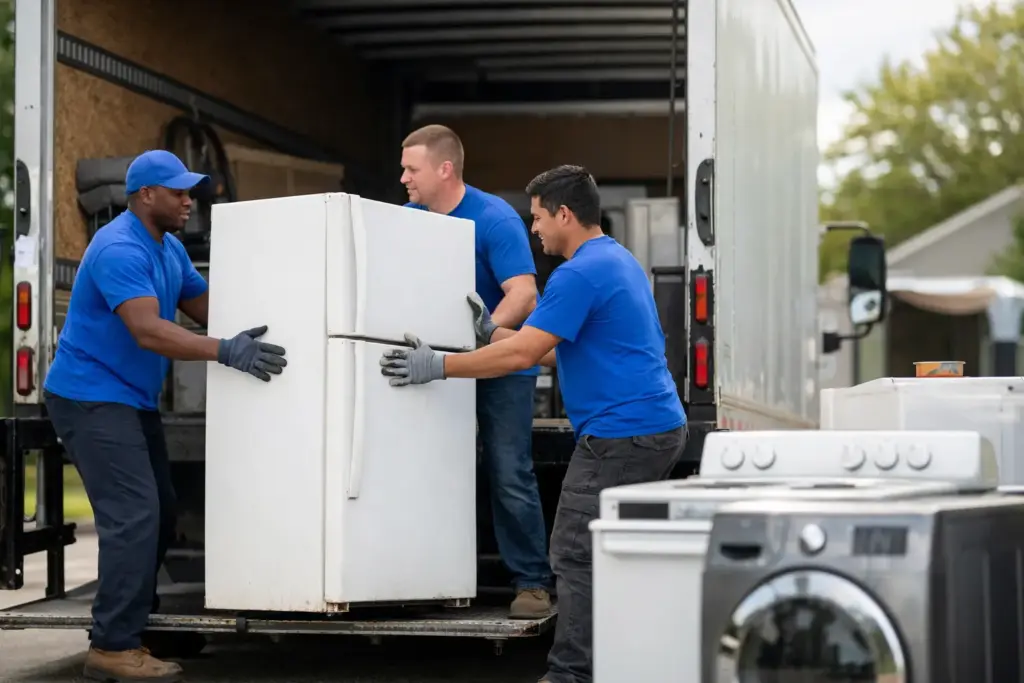
That old fridge in the garage is not just taking up space – it can also turn into a surprise headache if you set it out wrong. A solid guide to appliance pickup rules helps you avoid the classic problems: missed pickups, extra charges, city rejection tags, and the fun little mystery of “why is this still on my curb?”
Appliance pickup sounds simple until you learn every option has its own rules. Your city may handle some items but not all. A retailer might haul away only if they delivered a replacement. A private junk removal crew may take almost everything, but access, prep, and item condition can still affect the job. The trick is knowing which rules actually apply to your appliance before pickup day.
Why appliance pickup rules vary so much
Not all appliances are treated the same, and that is where people get tripped up. A basic electric dryer is usually easier to remove than a refrigerator, chest freezer, or air conditioner. Once refrigerants, water lines, gas hookups, or built-in installation enter the picture, the rules get tighter.
The biggest reason is environmental handling. Refrigerators, freezers, dehumidifiers, and AC units may contain refrigerants that need proper recovery before disposal or recycling. Local governments, scrap yards, and haulers do not want to guess whether that step has been handled. They want clear procedures, and that can mean special scheduling, extra fees, or limits on who can pick up the item.
Weight and safety matter too. A washer on a first-floor garage slab is one thing. A stacked laundry unit tucked in a second-story closet is another. Pickup rules often change based on stairs, long carry distance, narrow doorways, detached water lines, or whether the item is already outside.
A practical guide to appliance pickup rules by item type
The easiest way to make sense of appliance pickup is to look at what you are getting rid of.
Refrigerators and freezers
These usually come with the most rules. Many pickup providers require doors to be taped shut or removed for safety if the unit will sit outside. Some municipal programs ask that freon-containing appliances be scheduled separately from regular bulk trash. Others will not take them at all unless a certified technician has handled refrigerant removal.
You may also run into timing requirements. A city might only collect white goods on certain days, while a private hauling company may offer same-day or next-day service. If the unit still has food, mold, or leaking water inside, expect delays or added labor charges. Nobody wants to wrestle a swamp fridge.
Washers and dryers
Washers are simpler than fridges from an environmental standpoint, but they still need prep. Water lines should be disconnected, drained, and secured before pickup. If the washer still has standing water, some companies will charge more because it is heavier, messier, and harder to move safely.
Dryers are usually straightforward if they are already unplugged and accessible. Gas dryers are the exception. If a gas line is involved, many pickup crews require the unit to be professionally disconnected before they arrive. That is not red tape for the sake of it. It is a safety issue.
Dishwashers, ovens, and stoves
Built-in appliances often create confusion because pickup and uninstall are not always the same service. A company may remove a loose dishwasher sitting in the garage, but not disconnect and pull one from under a countertop unless that work is specifically included.
Electric ranges are usually easier than gas stoves. If gas is involved, ask first and never assume removal includes shutoff or disconnection. Wall ovens and cooktops can also require extra labor because of wiring, trim, or cabinetry.
Microwaves, dehumidifiers, and window AC units
These smaller appliances look easy, but the rules can still change. Countertop microwaves are usually simple junk removal items. Built-in microwaves are not. Dehumidifiers and window AC units may fall under refrigerant-related handling, depending on the provider and local disposal rules.
That is why size does not always equal simplicity. A smaller item can still need special disposal.
The rules that matter most before pickup day
If you only remember a few things from this guide to appliance pickup rules, make them these.
First, confirm whether the appliance must be disconnected before arrival. Many pickup companies haul, but they do not do plumbing, electrical, or gas disconnection unless it is arranged in advance.
Second, make sure the path is clear. That means open walkways, unlocked gates, pet-free access, and enough room to maneuver. If an appliance is boxed in by storage bins, shelving, or a car parked two inches from the garage fridge, the pickup may take longer or cost more.
Third, ask whether curbside and in-home pickup are priced differently. Some providers charge one rate if the item is already outside and another if their crew has to carry it out from inside the home. The difference is not a gimmick. Labor is labor.
Fourth, check whether doors need to be removed or secured. This comes up most often with refrigerators and freezers left outside ahead of collection.
Fifth, ask about extra charges tied to stairs, long carries, or bulky built-ins. Those details are where “cheap pickup” can get expensive fast.
City pickup versus private hauling
A lot of homeowners start with the city, and sometimes that works fine. If your local bulk collection accepts the appliance, the item is already disconnected, and you do not mind waiting for the next service window, municipal pickup can be a decent option.
The trade-off is flexibility. City programs often have stricter scheduling, curbside-only rules, and tighter limits on refrigerant appliances or appliances mixed with other junk. If you miss the cutoff, put it out wrong, or forget to schedule, that machine may sit there longer than you planned.
Private hauling is usually faster and less fussy about logistics, especially if you need the appliance removed from inside the house, from a rental turnover, or as part of a larger cleanout. It can cost more than city service, but the convenience is the whole point. For busy homeowners, landlords on a deadline, or contractors trying to keep a project moving, speed matters.
In places like Charlotte and the surrounding towns, that speed can make the difference between finishing a move-out on time and staring at a dead freezer during final walkthrough.
What can get an appliance pickup refused
Most failed pickups happen for predictable reasons. The appliance is not disconnected. The crew cannot access it safely. The customer expected uninstall service without asking for it. Or the item falls into a restricted category the provider does not handle.
Condition can matter too. If an appliance is full of food, grease, standing water, insects, or biohazard-level grime, some providers will decline the job or charge for special handling. That is not them being difficult. It is them avoiding a nasty surprise no one mentioned on the phone.
Another common problem is underestimating size. A standard fridge is one thing. A commercial cooler, oversized built-in unit, or old cast-iron stove is another story. If the item is unusually large or heavy, say so upfront.
How to make pickup smooth and affordable
The best move is simple: send a photo, give accurate details, and be honest about access. That saves time for everyone and usually gets you a more accurate quote.
Unplug the appliance ahead of time when possible. Empty it out. Drain water from washers. Secure cords and loose parts. If the item has ice buildup or condensation, let it thaw before pickup so it does not turn the removal path into a slip-and-slide.
If you are replacing an appliance, compare your options. Retailer haul-away may be enough if they are already delivering the new unit. If you are cleaning out multiple items at once, a junk removal company often makes more sense because you can get the old fridge, broken patio furniture, and garage trash gone in one shot.
That is where a company like Junk Punk fits naturally for local customers who want fast answers, upfront pricing, and no weird runaround. When the job is more than one appliance, or the pickup needs muscle and speed, full-service hauling can save a lot of hassle.
When recycling and donation come into play
Not every appliance should head straight to disposal. If a unit still works, donation may be possible, though condition, age, and pickup logistics matter. Many donation groups are selective because appliances are heavy and repairs can be expensive.
Recycling is often the better route for dead units, especially metal-heavy items and refrigerant appliances. The catch is that recycling still has rules. Some facilities accept only certain items, and some require refrigerant recovery first. “Recycle your junk” sounds easy because it should be, but the fine print still matters.
A good rule of thumb is this: if the appliance works, ask about donation. If it does not, ask how it will be recycled or disposed of. Either way, get clear on the process before the crew arrives.
Appliance pickup is one of those jobs that looks easy from the driveway and gets complicated fast once disconnects, access, and disposal rules show up. Ask a few smart questions early, and you can get that bulky eyesore out of your way without turning pickup day into a second job.