

Blog · July 2, 2026
Guide to Landlord Turnover Cleanup
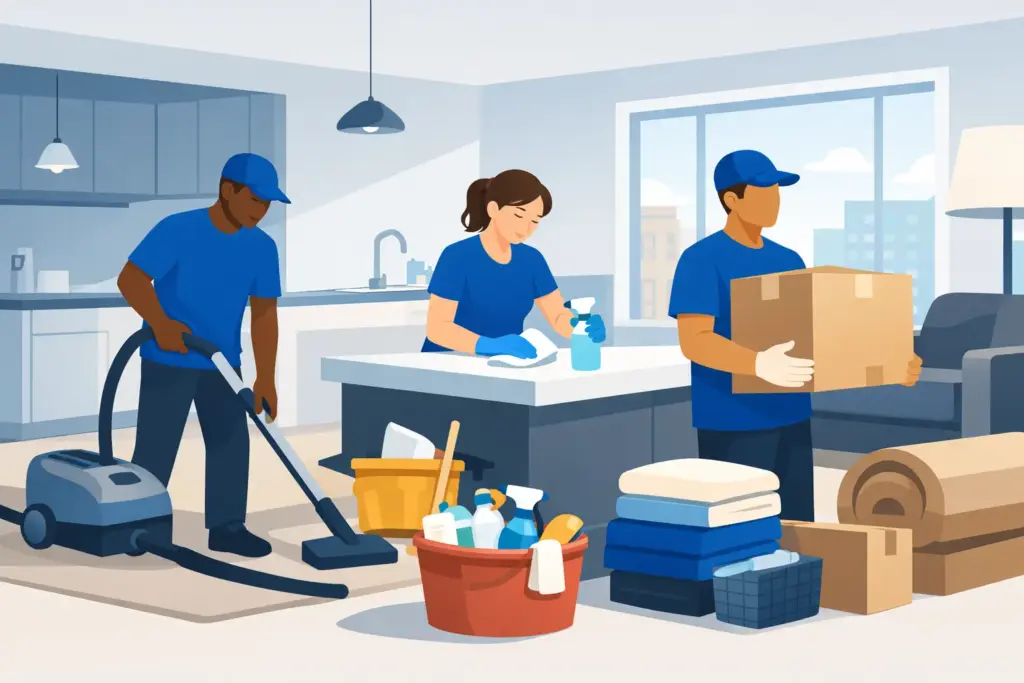
A tenant hands over the keys, and suddenly the clock starts ticking. Every extra day a unit sits full of trash, old furniture, mystery bags, or leftover appliances is a day you are not collecting rent. That is why a solid guide to landlord turnover cleanup is less about spring cleaning and more about speed, standards, and getting the place rent-ready without chaos.
Turnover cleanup can be simple, or it can turn into a full-blown mess with mattresses on the curb, food in the fridge, broken blinds, and a garage packed like a losing game of Tetris. The trick is having a repeatable process. When you know what gets handled first, what can wait, and when to call in help, you cut vacancy time and avoid wasting money on the wrong labor.
What landlord turnover cleanup really includes
A good turnover cleanup is not just mopping floors and wiping counters. It starts with clearing everything the former tenant left behind, then moves into inspection, basic repairs, deep cleaning, and final prep for the next showing or move-in.
In some units, that means bagged trash and a few abandoned shelves. In others, it means stained mattresses, busted dressers, spoiled food, electronics, yard debris, and a storage room full of “I meant to take that later.” If the property has been neglected, the cleanup may also include hauling carpet scraps, damaged appliances, and debris from minor demolition.
This is where landlords lose time by underestimating the job. If your cleaner shows up before the junk is out, you pay for a cleaning crew that cannot actually clean. If your handyman starts first, he may end up moving trash instead of fixing punch-list items. Order matters.
Guide to landlord turnover cleanup: the right order
The fastest turnovers usually follow the same sequence. First, document the condition of the property. Take photos of every room, closet, appliance area, exterior space, and any obvious damage. That protects you if there is a dispute over deposits or repairs.
Next, remove all trash and abandoned items. This includes furniture, bagged garbage, broken décor, boxes, unwanted TVs, mattresses, and anything left in attics, basements, sheds, patios, or garages. You want the unit empty before anyone starts detailed work.
After that, do a full damage and maintenance walk-through. Once the clutter is gone, you can actually see the baseboards, walls, flooring, doors, and fixtures. This is when hidden problems show up – water damage under a sink, holes behind furniture, cracked tile under a rug, or pet damage in corners.
Then comes repair work, followed by deep cleaning. Painting, patching, replacing blinds, fixing doors, swapping out broken fixtures, and handling light make-ready work should happen before the final clean whenever possible. Otherwise, your cleaning crew may be back for round two.
The last step is the detail pass. Test lights, locks, smoke detectors, remotes, and appliances. Make sure the place smells clean, looks bright, and feels move-in ready. Prospective tenants notice the little stuff fast.
The biggest turnover mistakes landlords make
The first mistake is waiting too long to schedule removal. A lot of landlords think they will “see how bad it is” after move-out, then spend two or three days coordinating cleanout, cleaners, and repairs. That delay adds up fast.
The second mistake is mixing labor types. Junk hauling, cleaning, and repair work sound similar when you are in a rush, but they are not interchangeable. Paying a cleaner to carry furniture or a painter to bag trash is like using a butter knife to cut plywood. It can be done, but nobody is happy.
Another common issue is ignoring exterior areas. Tenants leave junk in backyards, on porches, beside sheds, and near the curb all the time. If you only focus on the inside, the property still looks rough from the street, which hurts showings.
And then there is the “maybe they will come back for it” trap. If the tenant is gone and the lease terms allow you to proceed, dragging cleanup out over abandoned stuff usually costs more than it saves. Every situation depends on your lease, local requirements, and timeline, but waiting around rarely improves the property.
When DIY works and when it does not
If the turnover is light, DIY can make sense. A few bags of trash, some standard cleaning, and minor touch-up work may be worth handling in-house, especially if you manage only one or two properties and the unit is close by.
But DIY starts falling apart when the job involves bulk items, stairs, long carry distances, odor, heavy lifting, or disposal headaches. Mattresses, old couches, broken appliances, and construction debris are where small jobs become all-day jobs. Add a tight leasing timeline, and suddenly the cheap option is the expensive one.
The real question is not just cost. It is whether doing it yourself gets the unit market-ready faster. If hauling junk yourself burns two days, delays cleaners, and pushes back a showing, you probably did not save money. You just moved the bill around.
What to look for in a turnover cleanup partner
If you hire help, speed matters, but so does clarity. You want a company that can tell you what they take, how pricing works, and how quickly they can get on site. Nobody wants a mystery invoice after a move-out mess.
Look for straightforward volume-based or item-based pricing, clear communication, and actual experience with rental turnovers. A team used to landlord and property manager work will understand access issues, tight scheduling, and the need to move from photo estimate to pickup fast.
It also helps if they can handle more than random trash bags. Turnovers often include furniture, appliances, mattresses, yard waste, and leftover renovation debris all in the same job. One crew that can load it all is better than stacking three appointments and hoping everybody shows up.
If donation and recycling matter to you, ask that upfront too. Plenty of turnover items are junk, but not all of them belong in a landfill.
How to build a faster turnover system
The best landlords do not reinvent the wheel every move-out. They use a standard checklist and a standard order of operations. That keeps one ugly unit from hijacking the whole week.
Start by creating a same-day move-out routine. As soon as the tenant is officially out, document the property and identify what must be removed. If the amount is obvious from photos, get hauling scheduled right away. In many cases, a photo-based quote can save time before anyone even drives over.
Then line up your next vendors in sequence, not all at once. Removal first, repairs second, cleaning last. If flooring or paint is needed, slot those trades between junk removal and final clean. That order avoids overlap and repeat visits.
You should also separate true trash from usable items. Some landlords want every abandoned item gone immediately, and that is fair. Others prefer to donate lightly used furniture or household goods when possible. Either approach can work, but decide early so the crew is not waiting on instructions with a truck half loaded.
A quick note on occupied properties and partial cleanouts
Not every turnover is a total vacancy. Sometimes you are cleaning out one room after an eviction, handling a garage after a tenant skips town, or clearing common areas in a small multi-unit property. The same guide to landlord turnover cleanup still applies, but access, documentation, and communication become even more important.
In occupied or partially occupied settings, be extra clear about what stays and what goes. Labeling helps. Photos help even more. The last thing you want is confusion over tenant property versus abandoned junk.
Why curb appeal counts in a turnover
Landlords tend to focus on interiors because that is where the lease happens, but outside junk sends a loud message. A broken grill by the patio, brush piled near the fence, or bags sitting beside the driveway make the whole property feel neglected.
That matters for showings, neighbors, and your own standards. A clean exterior tells the next tenant the property is managed, not just occupied. In competitive rental markets, that first impression can carry more weight than you think.
For landlords around Charlotte and nearby areas, quick turnover support can be the difference between a smooth re-list and a week of chasing trucks, helpers, and dump runs. That is exactly why companies like Junk Punk exist – to get the bulky stuff out fast so the real make-ready work can begin.
A clean turnover is not about making the unit perfect in one shot. It is about getting the junk out, seeing the property clearly, and moving each step in the right order so the next tenant walks into a place that feels cared for. When that process is tight, everything else gets easier.